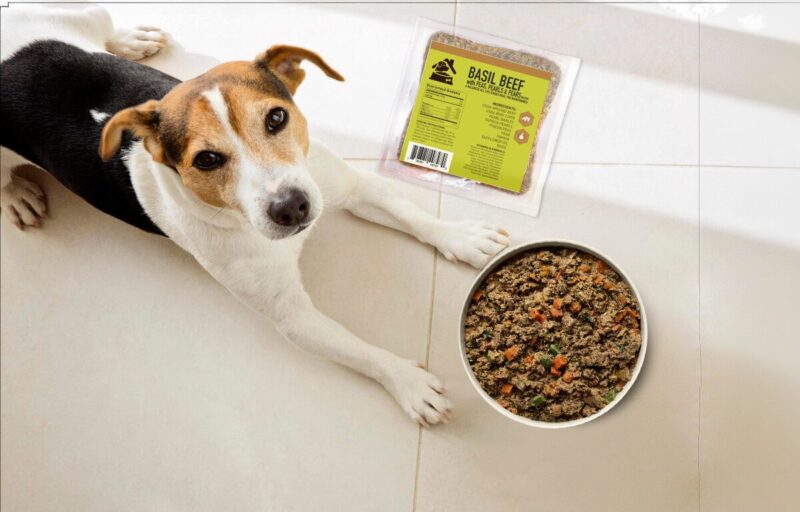
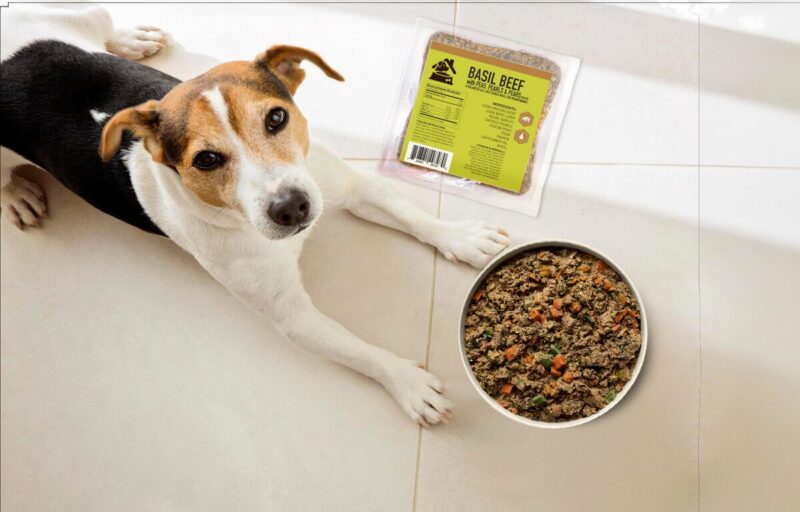

Have you ever stood in the pet food aisle, flipped a bag around, and realized you were not entirely sure what half the ingredients meant? Dog food labels are legally required to be precise, but they are not written to be easy to understand. Terms like “meal,” “by-product,” and “natural flavor” often sound harmless, yet they can hide meaningful differences in quality and nutrition.
What you choose to put in your dog’s bowl influences digestion, daily energy, dental condition, coat health, and long-term well-being. The challenge is not a lack of information; it is knowing which parts of the label actually matter and which parts are mostly noise.
This article walks through how to read dog food labels, focusing on ingredients that genuinely affect your dog’s health, so you can make confident choices without relying on marketing promises.
Why Dog Food Labels Deserve a Closer Look
Dog food labels can feel overwhelming at first glance. Long ingredient lists, bold claims on the front, and unfamiliar terms make it tempting to trust the brand and move on. That approach often leads to missed details that directly affect your dog’s health. The label is where transparency lives. It tells you the protein sources, carbohydrate quality, fat balance, and additives used to preserve and flavor the food.
Many owners focus only on the first ingredient, but context matters more than a single line. Ingredients are listed by weight before cooking, which can distort perception. A fresh meat may appear first but shrink significantly after processing. Understanding how to read beyond the headline ingredient helps you judge the food as a whole. When labels are read carefully, they become a practical tool rather than a confusing checklist.
The Ingredient List, What Order Really Tells You
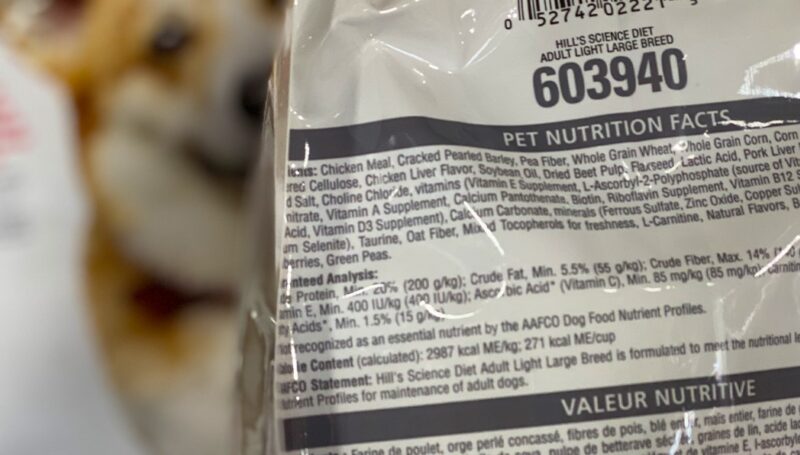
The ingredient list is the heart of the label. Ingredients appear in descending order by weight before processing, which means water content plays a big role. Fresh meats contain a lot of moisture, while meals are already dehydrated. This distinction explains why “chicken” and “chicken meal” can represent very different protein contributions.
Look for named animal proteins rather than vague terms. “Beef meal” or “turkey meal” provides more clarity than “meat by product.” Quality foods usually rely on a few clearly defined protein sources rather than many diluted ones. Carbohydrates also deserve attention. Whole grains or vegetables offer fiber and micronutrients, while refined starches often act as cheap fillers.
A practical way to scan the list is to group ingredients mentally:
- Animal based proteins that supply amino acids
- Carbohydrate sources that support digestion
- Fats that provide energy and nutrient absorption
This habit quickly reveals whether a formula is thoughtfully balanced or padded with unnecessary extras.
Guaranteed Analysis, Numbers With Real Meaning
The guaranteed analysis section looks technical, but it offers valuable insight into the food’s nutritional balance. It lists minimum protein and fat percentages and maximum fiber and moisture. These numbers help you compare foods objectively, especially when ingredient lists look similar.
Protein percentage alone does not indicate quality, but it gives a baseline. Active dogs often benefit from higher protein and fat, while senior dogs may need moderated levels. Fiber percentages influence digestion and stool quality. Moisture matters most when comparing dry and wet foods.
To make sense of these numbers, it helps to view them side by side.

| Nutrient | Why It Matters | Typical Range |
| Crude Protein | Supports muscle and immune function | 18 to 30 percent |
| Crude Fat | Provides energy and skin support | 8 to 20 percent |
| Crude Fiber | Affects digestion and satiety | 3 to 6 percent |
| Moisture | Impacts calorie density | Up to 10 percent dry |
The table only tells part of the story. Ingredients and sourcing determine how usable those nutrients are inside your dog’s body.
Functional Ingredients Beyond Basic Nutrition
Some ingredients play roles that go beyond calories and macronutrients. These functional additions often support joints, digestion, or oral health. One example many owners overlook is how treats and supplements fit into the overall diet.
Dental care is a good illustration. While kibble texture can help slightly, targeted products like dental sticks are designed to reduce plaque buildup through mechanical action and ingredient formulation. When chosen thoughtfully, they complement a balanced diet rather than disrupt it. Including these functional items means paying attention to their ingredient lists as well, since sugars and artificial binders can undo their benefits.
Functional ingredients to watch for include:
- Prebiotic fibers that support gut bacteria
- Omega fatty acids from fish oil or flax
- Natural chelators that assist dental hygiene
These additions should feel purposeful, not decorative, and they should align with your dog’s specific needs.
Additives, Preservatives, and What to Avoid
Additives often raise concern, but not all are harmful. Vitamins and minerals are required to meet nutritional standards, especially in processed foods. The key is distinguishing necessary fortification from unnecessary chemical enhancement.
Natural preservatives such as mixed tocopherols or rosemary extract are generally preferred over synthetic options. Artificial colors serve no nutritional purpose for dogs, who do not care about food appearance. Flavor enhancers may signal low ingredient quality elsewhere in the formula.
Pay attention to vague terms like “animal digest” or “natural flavor,” which can hide inconsistent sourcing. Transparency is a marker of quality. Brands that clearly explain why an additive is included tend to align better with long term health goals.
Dogs do not require artificial colors or sweeteners for nutrition. Their inclusion usually benefits marketing rather than health.
Reading this section carefully often reveals whether a food prioritizes function or shelf appeal.
Bringing It All Together
Reading dog food labels becomes easier with practice. The goal is not perfection but informed decision making. By focusing on ingredient clarity, nutritional balance, functional additions, and honest labeling, you gain control over what goes into your dog’s bowl. That confidence reduces reliance on marketing and increases trust in your choices.
No single ingredient defines quality, and no label tells the entire story alone. The combination of transparent sourcing, appropriate nutrient levels, and thoughtful formulation is what truly matters. When you slow down and read with intention, labels stop being intimidating and start working for you. Over time, this habit supports not just better meals, but a healthier and more comfortable life for your dog.